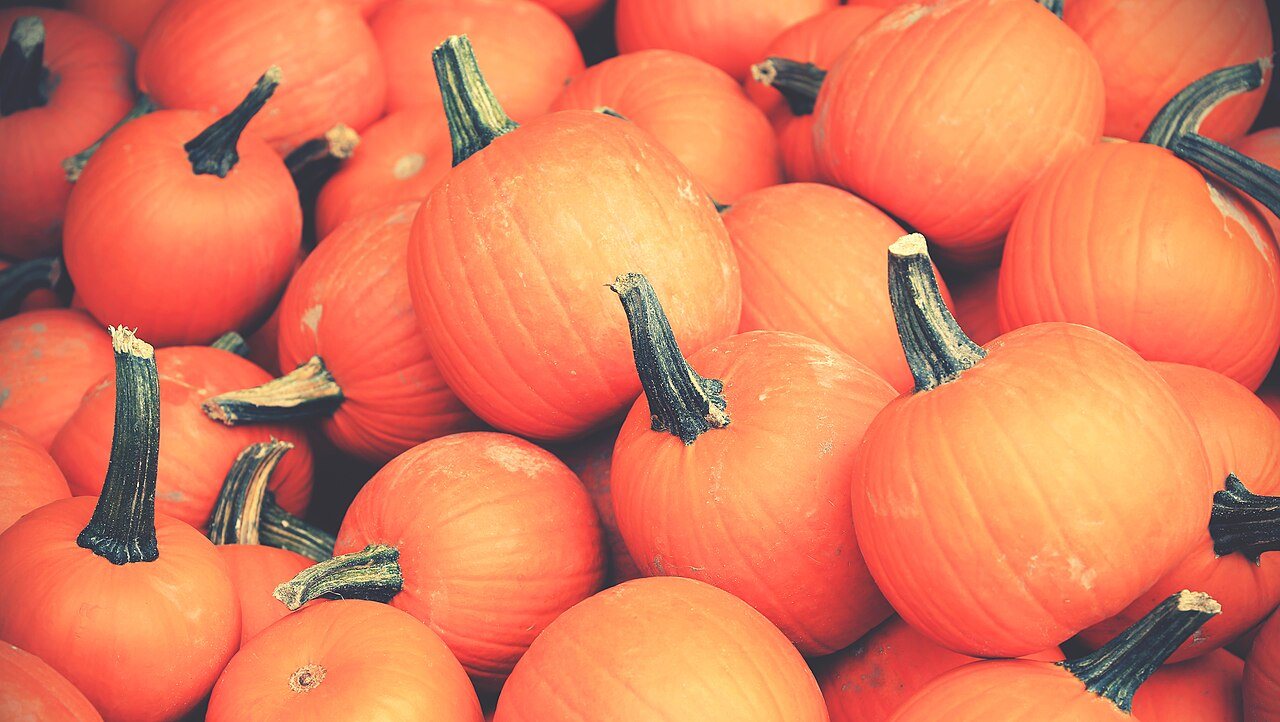
In a lot of neighborhoods, the first week of November brings the same sight: rows of slumped jack-o'-lanterns waiting by the bins, some still with a candle stub inside. They cost real money in October, and for most households they go straight into general trash.
Pumpkins are food. A carved one has a short shelf life, but an uncarved one can sit on a cool porch for weeks and then go into soup. Even the ones that are past saving can go somewhere more useful than a landfill.
What you can do depends mostly on one thing: whether you cut into it.
Uncarved pumpkins are still dinner
If your pumpkins were decoration only, with the skin unbroken, you're in good shape. A whole pumpkin with a dry, firm stem keeps for a long time somewhere cool and out of direct sun. Check it for soft spots every few days, and use it before any appear.
The big carving varieties are edible, but they're bred for size and thin walls, so the flesh tends to be watery and a bit stringy. They're fine in soup or a curry, where texture doesn't matter much. The small "pie" or "sugar" pumpkins, and squash like butternut or crown prince that people often use as table decorations, have denser, sweeter flesh and are better for roasting and baking.
The easiest method I know is to halve it, scoop out the seeds, roast the halves cut side down until a knife slides in easily, then scrape out the flesh. Purée what you won't use this week and freeze it in portions. It thaws well, and I use it mostly for soup and the occasional batch of pumpkin bread.
A carved pumpkin is on a clock
Once a pumpkin is carved, mold has an open door. A jack-o'-lantern that has sat outside for several days, especially with a candle burning inside, isn't something I'd cook. If you carved it on Halloween night and it has stayed cold and clean, you can cut away the scorched and dried edges and use the rest within a day or two. If you see mold, fuzz or a sour smell, skip the kitchen and go straight to the compost section below.
The seeds are the bit people throw away even when they keep the pumpkin, which is a shame because they're free snacks. Rinse off the pulp, dry them well, toss them in a little oil and salt and roast them in a moderate oven until they're golden and crisp. Watch them near the end, because they go from toasted to burnt fast (ask me how I know).
Composting is the default for the rest
A pumpkin that can't be eaten is still mostly water and plant matter, and it breaks down well in a compost heap or bin. Before it goes in, take out candles, wax, foil and any fake decorations, and leave out anything painted, glittered or sprayed with sealant.
Smash it or chop it into chunks first so it rots faster, then mix it with dry material like fallen leaves, which you probably have plenty of this time of year. If you don't compost at home, check your local council or city website. Many areas with garden waste or food waste collections take pumpkins, and some towns run drop-off days or "pumpkin smash" events in early November that send them to compost or farms.
Food that rots in a landfill gives off methane, so even if you can't eat your pumpkin, composting is a better end for it than the trash bag.
Be careful about feeding wildlife
Leaving old pumpkins in the garden for animals sounds kind, and plenty of people do it. Wildlife groups have warned against it, though. In the UK, hedgehog charities and wildlife trusts have asked people not to put pumpkin out for hedgehogs, since large amounts of it can upset their stomachs. Rotting pumpkin can also attract rats.
Some farms and animal sanctuaries accept unpainted, unspoiled pumpkins as feed for their animals. If you want to go that route, call first. Most will turn away anything that's moldy or painted, and some don't take them at all.
Spend less on pumpkins next October
A little planning cuts the cost next year. Buy one carving pumpkin per household rather than per person, and decorate with edible squash that you'll cook in November. A few small sugar pumpkins on a doorstep look just as autumnal, and you can roast them afterward.
Carve as late as you can, ideally a day or two before Halloween, so the jack-o'-lantern doesn't spend a week collapsing. Keep the lid and the scooped-out flesh from carving day, cook it that evening, and you've already used part of the pumpkin before it goes on display.
Stores also tend to mark down leftover pumpkins and squash right after October 31. If you want cheap pumpkin for the freezer, those first days of November are when to look, as long as you pick firm ones with dry stems.
A simple plan for this weekend
If you're reading this with pumpkins on your step, sort them into three piles on November 1. Uncarved and firm go to the kitchen or a cool shelf. Carved but clean go into the oven within a day. Anything moldy, painted or full of wax goes to compost or your local collection after you've removed the non-food bits. It takes about ten minutes, and the soup alone makes it worth doing.
This is general household guidance, not food safety advice for a specific situation. When in doubt about whether something is safe to eat, throw it out.
Enjoyed this story?Get a new one every day on social.