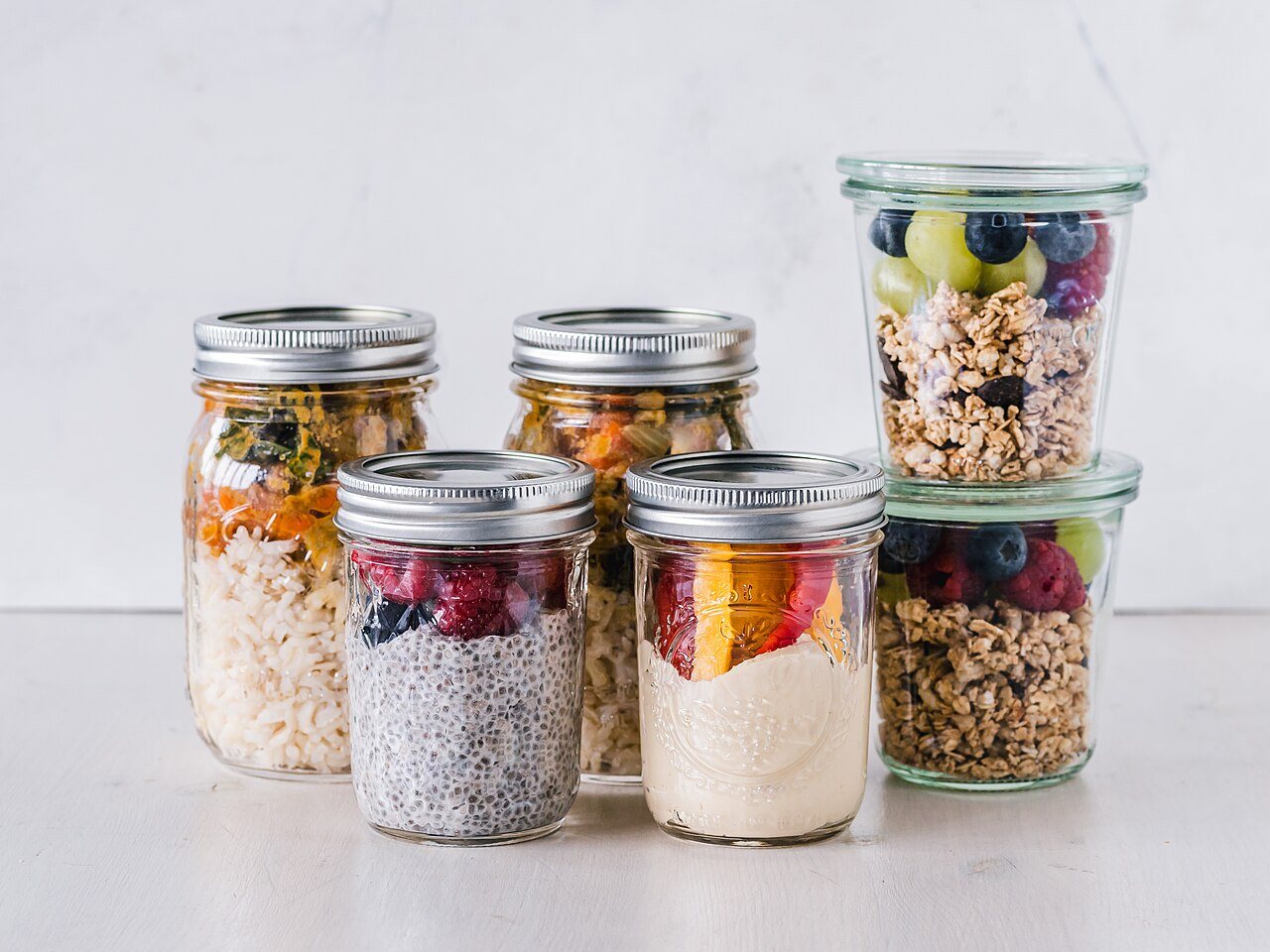
Ella Olsson from Stockholm, Sweden, CC BY 2.0, via Wikimedia Commons
Open most refrigerators on a Thursday night and you'll find the same scene. Half a bag of spinach going dark at the edges, a tub of something from Sunday, a lemon that has been there long enough to become part of the furniture. Every one of those items was paid for, and a fair share of them will end up in the bin.
The U.S. Department of Agriculture estimates that somewhere between 30 and 40 percent of the country's food supply goes uneaten, and a large slice of that waste happens in homes rather than in farms or shops. You don't need to obsess over the national figure to see the point. If you throw food away every week, you are already paying for groceries you don't eat.
The fix is boring, which is probably why so few of us do it. It's a weekly meal plan, done properly. Here's the version I've seen work for people who have tried and abandoned meal planning before (I'm one of them, twice).
Start with what's already in the kitchen
Most meal-planning advice starts with recipes. That's backwards if the goal is saving money. Start with a quick look at the fridge, freezer and cupboard before you plan anything, and write down what needs using soon.
That list is your starting point for the week. The half-bag of spinach becomes Monday's omelette or a pasta sauce. The leftover rice goes into fried rice. The chicken thighs in the freezer get pulled out for Wednesday. Only after that do you fill the gaps with new meals.
This takes about ten minutes, and it changes how the shopping trip goes, because you stop buying a second jar of something you already own.
Plan fewer meals than you think
A common mistake is planning seven dinners for seven nights. Real weeks don't go like that. Someone works late, a friend invites you out, or you get home and simply can't face cooking.
Plan four or five dinners and leave the other nights for leftovers, something from the freezer, or the inevitable takeout. It sounds like less discipline, but it means the food you buy actually gets eaten. An overambitious plan is how the crisper drawer fills up with vegetables nobody had time to cook.
It also helps to pick meals that share ingredients. If you're buying a bunch of coriander for tacos on Tuesday, plan a curry or a rice bowl for Thursday that uses the rest. Fresh herbs and salad leaves are the classic waste items, because you buy a big bunch and need three sprigs.
Shop from the list, then put it on the fridge
Write the shopping list from the plan, and stick to it in the shop. Supermarkets are laid out to tempt you into extras, which is simply how they make money. A list is the cheapest defense there is.
Then put the week's plan somewhere you'll see it every day. On the fridge door works. So does a note on your phone, if you actually look at your phone's notes (I don't). The plan only saves money if you remember Wednesday is the chicken night before the chicken turns.
Learn what the dates actually mean
A lot of perfectly good food gets thrown out because of the label. In the United States, apart from infant formula, date labels on food are not required by federal law, and the USDA says that most of them are about quality, not safety.
"Best if used by" tells you when the product is likely to taste its best. "Sell by" is mostly for the shop's stock control. "Use by" is the last date the manufacturer recommends for peak quality. None of those mean the food becomes unsafe the next morning. Look at it, smell it, and use common sense. The exception is infant formula, which should be used by its date.
Different countries handle this differently. In the UK, for example, a "use by" date is about safety and should be taken seriously, while "best before" is about quality. If you're outside the U.S., check what your own food agency says.
Make the freezer do some of the work
The freezer is the most underused money saver in the kitchen. According to the USDA, food kept frozen at 0°F (minus 18°C) stays safe indefinitely. The quality slowly drops, but safety doesn't.
So freeze things before they turn, not after. Bread freezes well and toasts straight from frozen. Ripe bananas go into the freezer for smoothies or banana bread. Cooked rice, soups, stews and sauces freeze in portions. If you cook a big batch on Sunday, put half of it in the freezer right away, and that's a future night off.
Label everything with what it is and the date. Without a label, you'll find a mystery tub in March and have no idea whether it's chili or apple sauce.
Keep leftovers on a short clock
For leftovers in the fridge, the USDA's guidance is to eat them within three to four days, and to keep the fridge at 40°F (4°C) or below. A cheap fridge thermometer is worth having, because plenty of fridges run warmer than people assume.
A simple habit helps here. Put leftovers at eye level, at the front, in see-through containers if you have them. Food that's hidden at the back is food that gets forgotten.
A 20-minute weekly routine to try this week
If you want to try this without overthinking it, here's the whole routine. It's a step-by-step job, so it gets a list.
On the same day each week, check the fridge, freezer and cupboard and write down what needs using.
Plan four or five dinners around those items, using shared ingredients where you can.
Write a shopping list from the plan and only buy what's on it.
Put the plan on the fridge, and move anything close to its end into the freezer.
Give it a month before you judge it. Keep your grocery receipts for those four weeks and compare them with a normal month. This is general information, not personal financial advice, but it's about as low risk as money tips get. The worst case is that you eat your spinach.
Enjoyed this story?Get a new one every day on social.