Photo: Ken Heaton, CC BY-SA 4.0, via Wikimedia Commons
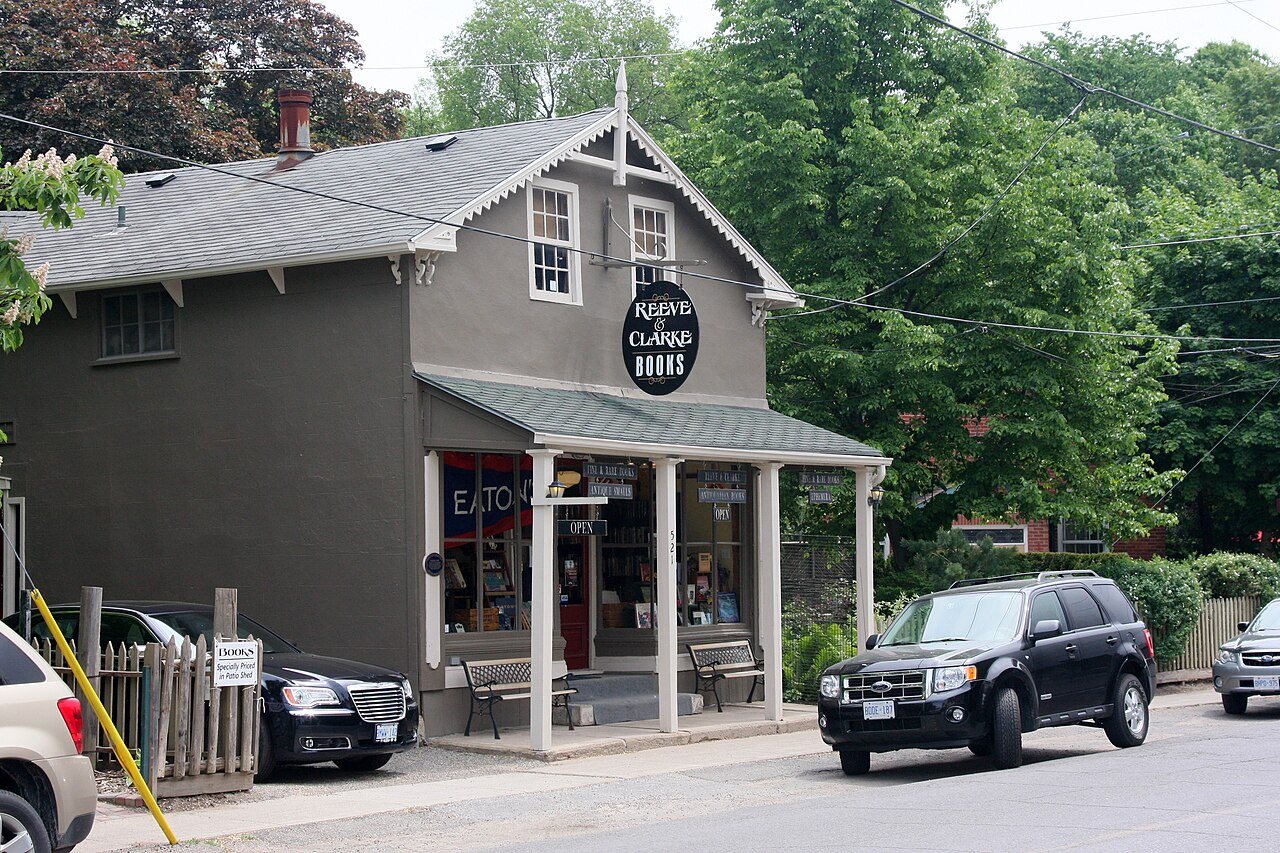
The Saturday after Thanksgiving is wedged between two shopping days with much bigger marketing budgets. Black Friday has the doorbusters and Cyber Monday has the online deals. Small Business Saturday, which falls today, has a chalkboard sign outside the bakery and the owner behind the till.
It's also younger than many people assume. The day began in 2010 as a campaign by American Express, during a slow recovery from the financial crisis, when plenty of independent shops were struggling. Sixteen years later it shows up on chamber of commerce flyers and shop windows across the United States, and a version of it runs in the UK too.
If you're planning to shop small this weekend, the history is short and the practical side is worth a few minutes.
A card company's idea that stuck
American Express launched Small Business Saturday in 2010 as a way to bring shoppers back to independent stores on a weekend dominated by big chains. In the early years the company backed it with promotions for its cardholders, including statement credits for spending at participating small businesses, plus free advertising help for the shops themselves.
The cynical reading (and it isn't wrong) is that a payments company had every reason to encourage more card spending at the merchants it serves. The generous reading is that it gave local shops a name and a date to rally around, which they had never really had. I think both readings are fair, and I doubt many shop owners care which one brings customers through the door.
The idea spread quickly. In 2011 the US Senate passed a resolution in support of the day, and the Small Business Administration has promoted it as a co-sponsor. The UK began its own Small Business Saturday in 2013, held on the first Saturday in December rather than after Thanksgiving, since that holiday doesn't exist there.
Why local spending is a little different
Supporters often say that more of each dollar spent at a locally owned business stays in the community, because the owner lives nearby, banks nearby and hires local accountants, printers and contractors. Several studies commissioned by local business groups have found that effect, though the exact figures vary a lot depending on who did the study and how they counted. I'd treat any single headline percentage with some caution.
What's harder to argue with is the scale. For a small shop, a busy weekend in late November can make a real difference to the year. Plenty of independent retailers do a large share of their annual sales in the last few weeks of the year, so a good Saturday matters more to them than it does to a chain with thousands of stores.
Getting good value when you shop small
Shopping local doesn't have to mean paying more, though sometimes it will. A few habits help.
Ask about price matching. Some independent shops will match a big retailer's price on the same item, especially for books, toys and electronics accessories. They don't always advertise it, and the worst answer you'll get is no.
Look at the whole cost, not just the sticker. A local shop may offer free gift wrapping, help choosing a size, easy exchanges in person and no shipping charges. Those things have real value, particularly in December, when delivery dates get unreliable.
Think about gift cards from local businesses. A gift card to a neighborhood restaurant, bookshop or salon is an easy present and puts money in the business's hands now, during a slow stretch of the year. Before you buy, it's sensible to make sure the business looks financially steady, because a gift card is only as good as the shop behind it.
Small ways to help that cost nothing
Not every useful thing involves spending money. If you've had a good experience with a local business, leaving an honest online review helps it more than most people realize, since small shops rely heavily on word of mouth and search results.
Ordering directly also matters. When you order takeaway through a third-party delivery app, the restaurant usually pays the app a commission on the order. Calling the restaurant or using its own website, where that's an option, often means more of your money reaches the kitchen. Following a shop on social media and sharing its posts costs you nothing and can bring it new customers.
Keeping the budget in check
The one risk of a "shop small" weekend is that it becomes one more reason to overspend in a month full of reasons. Spending at a local shop is still spending, and the credit card bill arrives in January either way.
If you're shopping today, decide on a number before you leave the house, and pay with whatever helps you stick to it. For some people that's cash, for others it's a debit card. Keep receipts, check each shop's return policy before you pay (small businesses set their own and often have shorter windows than big chains), and remember that local shops are open in January too, when they could use the business just as much.
This is general information rather than personal financial advice, and the right budget is the one that fits your own circumstances.
Enjoyed this story?Get a new one every day on social.