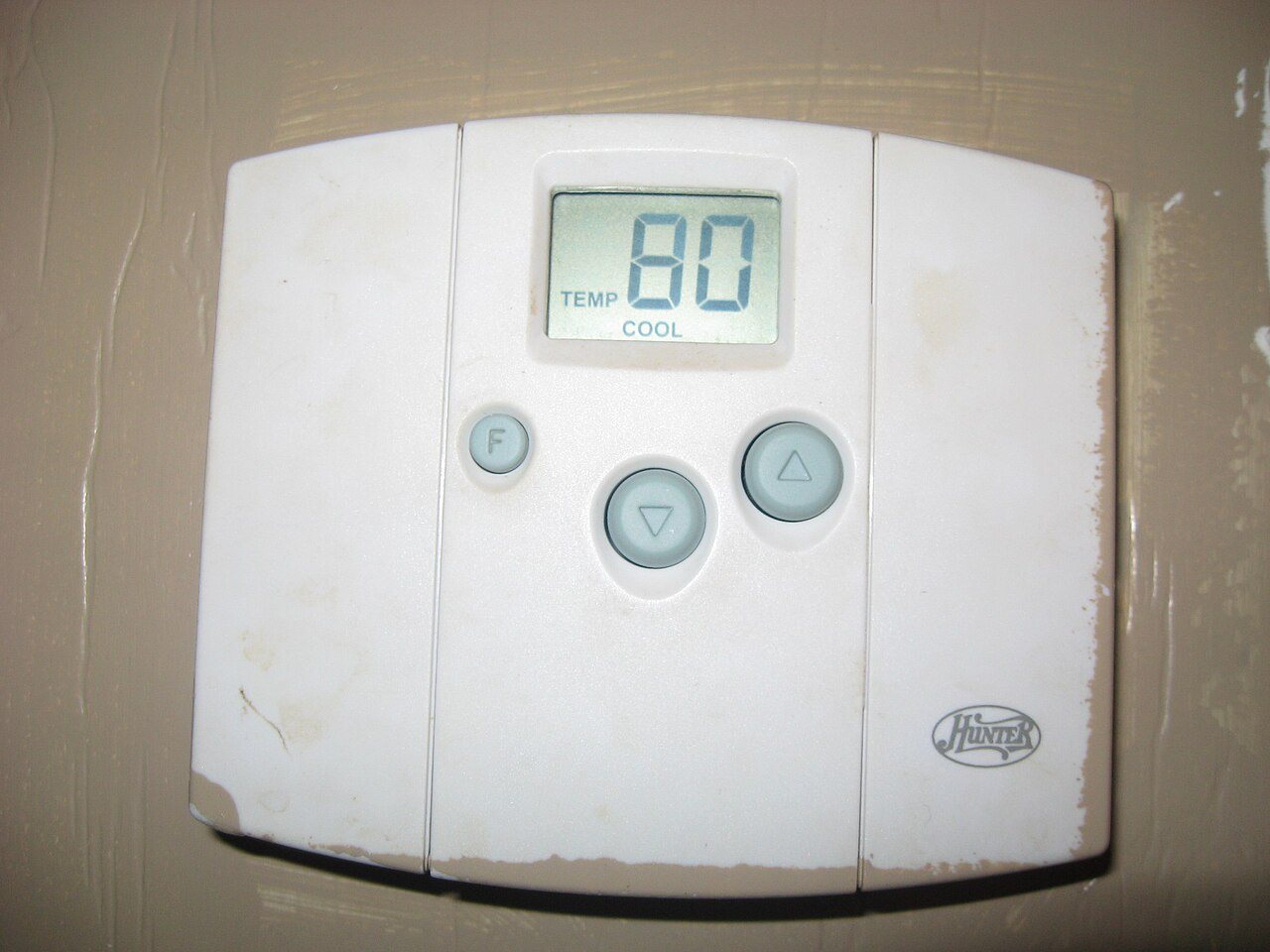
Every household has the thermostat argument at some point in November. One person wants the house warm enough to walk around in socks. Another has seen the last bill and wants everyone in sweaters. Both of them have a point, and the good news is that the biggest savings do not come from being cold all the time.
Most of the money goes on a few things: how warm you keep the house while nobody is awake or home, how much heat leaks out, and how hard the system has to work to make it. Get those right and you can stay comfortable in the hours you are actually using the rooms.
A quick note before the details. This is general information about how heating costs work, not advice tailored to your home or your finances. Homes, fuels and tariffs vary a lot, so treat the numbers as a guide.
Turn it down when nobody is using the heat
The single most useful habit is a setback: lowering the thermostat while you sleep or while the house is empty. The US Department of Energy says that turning the thermostat back 7 to 10 degrees Fahrenheit for eight hours a day can save as much as 10 percent a year on heating and cooling.
That is the reason programmable and smart thermostats exist. You set the house to warm up half an hour before the alarm goes off and again before you get home, and it drops back down overnight. If you only have a basic dial, the same thing works with a bit of discipline (and a sticky note by the front door, in my house).
There is an old idea that it costs more to heat a cold house back up than to keep it warm all day. For most homes it does not. A house loses heat faster the warmer it is inside, so a cooler house simply loses less. Heat pumps are a partial exception, because a big setback can trigger the less efficient backup heat when the system tries to catch up, so for those a smaller, gentler setback usually makes more sense.
Stop the heat leaking out
Warm air finds every gap in a house. The cheapest fixes are the dull ones: a draft stopper or door sweep on exterior doors, weatherstripping around windows that rattle, and foam gaskets behind outlet covers on outside walls. Most of this costs little at a hardware store and takes an afternoon.
Curtains do more than people give them credit for. Close heavy curtains at dusk to keep heat in, and open the ones on sunny windows during the day to let the sun do some of the work for free. If you rent, these are usually the changes you can make without asking anyone.
Look after the system you already have
A furnace with a clogged filter has to work harder to push air through the house. Checking the filter every month or so through the heating season and replacing it when it looks dirty is one of the easiest jobs in home upkeep. Many manufacturers suggest a change every one to three months, depending on the filter and whether you have pets.
An annual service by a heating technician will not save you money every year, but it catches problems before they become the expensive kind, usually on the coldest night of January.
While you are thinking about it, check the water heater. The Department of Energy suggests 120 degrees Fahrenheit for most households, and many units ship set higher than that.
The tricks that matter less than you think
Closing vents in rooms you do not use sounds sensible, but with a typical forced-air system it can raise pressure in the ducts and push more warm air out through leaks. I would leave the vents open and close the doors instead.
Space heaters can help if you spend the evening in one room and can drop the rest of the house a few degrees. They are not a cheap way to heat a whole home, though, and they need care. Keep them at least three feet from anything that can burn, plug them straight into a wall outlet rather than an extension cord, and turn them off when you leave the room or go to bed.
Reversing a ceiling fan to run clockwise on a low setting pushes warm air down from the ceiling. It is a small gain, mostly worth it in rooms with high ceilings.
Ask your utility before the bills arrive
If the size of winter bills is the real problem rather than the total over a year, ask your energy company about budget billing. Many utilities offer a plan that spreads your expected annual cost into equal monthly payments, so January does not come as a shock. You still pay for what you use, and the account is usually settled up once a year.
In the United States, households on lower incomes may qualify for help through LIHEAP, the federal Low Income Home Energy Assistance Program, which is run through states and local agencies. Many utilities also have their own hardship or payment-plan programs. These are worth asking about early, since funding and application windows vary.
A simple plan for this week
If you only do three things before the real cold arrives, set a nighttime setback on the thermostat, check the furnace filter, and deal with the worst draft in the house. Then look at your next bill against the same month last year. That comparison will tell you more about what is working than any list, including this one.
Enjoyed this story?Get a new one every day on social.