A gift card is a strange thing to give someone. You hand over real money, the store keeps it, and what you get back is a piece of plastic that behaves like cash when lost but not when you want a refund.
Most of these cards work exactly as they should, and the US rules around them are better than a lot of people assume. There are still two gaps worth knowing about before the holiday rush: the fine print on what the law doesn't cover, and a form of theft in which the card is emptied before anyone gets to use it.
This is general information about US rules, not advice on your particular situation. State laws differ, and I'll point out where.
The five-year rule, and what it really says
Federal protections came out of the Credit CARD Act of 2009 and took effect in August 2010. The headline rule is that gift card money generally can't expire for at least five years from the date the card was bought or the date money was last added.
There's a useful wrinkle here. The plastic itself can carry an earlier date than the money. If that happens, the issuer has to give you a way to move the balance to a replacement card at no cost. So if someone finds a three-year-old card in a drawer with a dead-looking date on it, it's worth calling the number on the back before throwing it out.
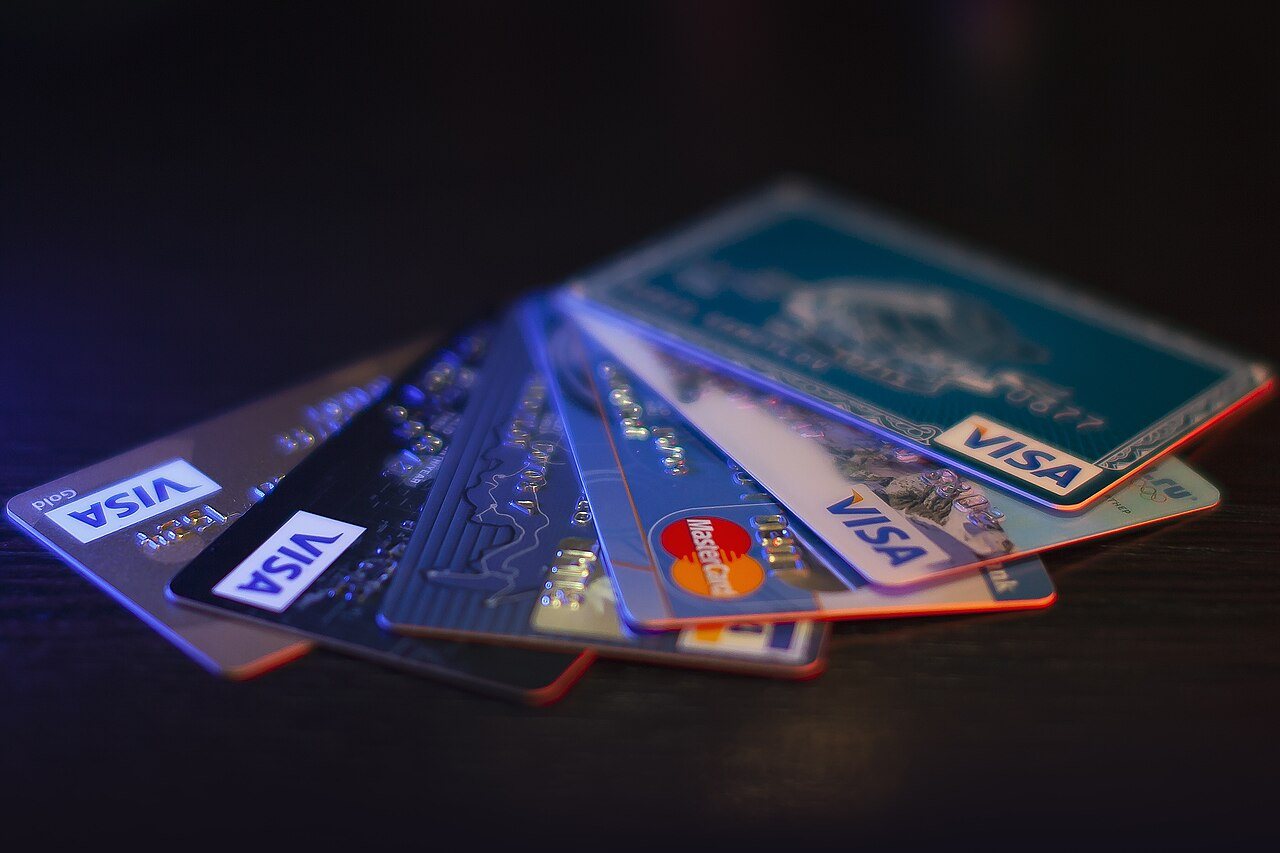
The rules apply to both retail cards, which work at one merchant or chain, and bank cards carrying a network logo, which work wherever that network is accepted.
Which fees are allowed
Inactivity and maintenance fees can only start after a year of no use, and even then the issuer can charge only one per month. The fees have to be disclosed on the card or its packaging, so read that small print at the rack and not after you get home.
Purchase fees are a separate matter and remain legal. That's the extra few dollars you pay to buy a bank-branded card at the checkout. Issuers can also charge to replace a lost or stolen card, and some won't replace one at all.
If fees have come off a balance or a card seems to have expired, the FTC's advice is to contact the issuer and ask whether it can honor the card or reverse the fee. It's one phone call, and I'd make it for anything more than pocket change.
The cards the rules don't cover
This is the fine print that catches people. Under the federal regulation, promotional and loyalty cards are exempt, so the "$10 bonus card" a store gives you for spending $50 can expire much sooner, as long as the terms are disclosed. Reloadable cards not marketed as gifts also fall outside the rules.
Then there's the risk no regulation fixes. If a retailer goes bankrupt or closes its stores, a card may lose value or get harder to use. That's why I'd spend a card from a struggling chain this month, and why I wouldn't give one to anybody in the first place.
Getting cash back for small balances
Federal law doesn't give you a right to turn a leftover balance into cash, and most cards say they can't be redeemed for it. Some states do. California raised its threshold on April 1, 2026, under Senate Bill 22, so a card with less than $15 left can be cashed out on request. That used to be $10. Several other states have their own versions at lower amounts, and the National Conference of State Legislatures keeps a list of state gift card laws.
It's a small thing, but those $3.71 remainders are how a lot of gift card money quietly goes to waste.
How cards get drained before you buy them
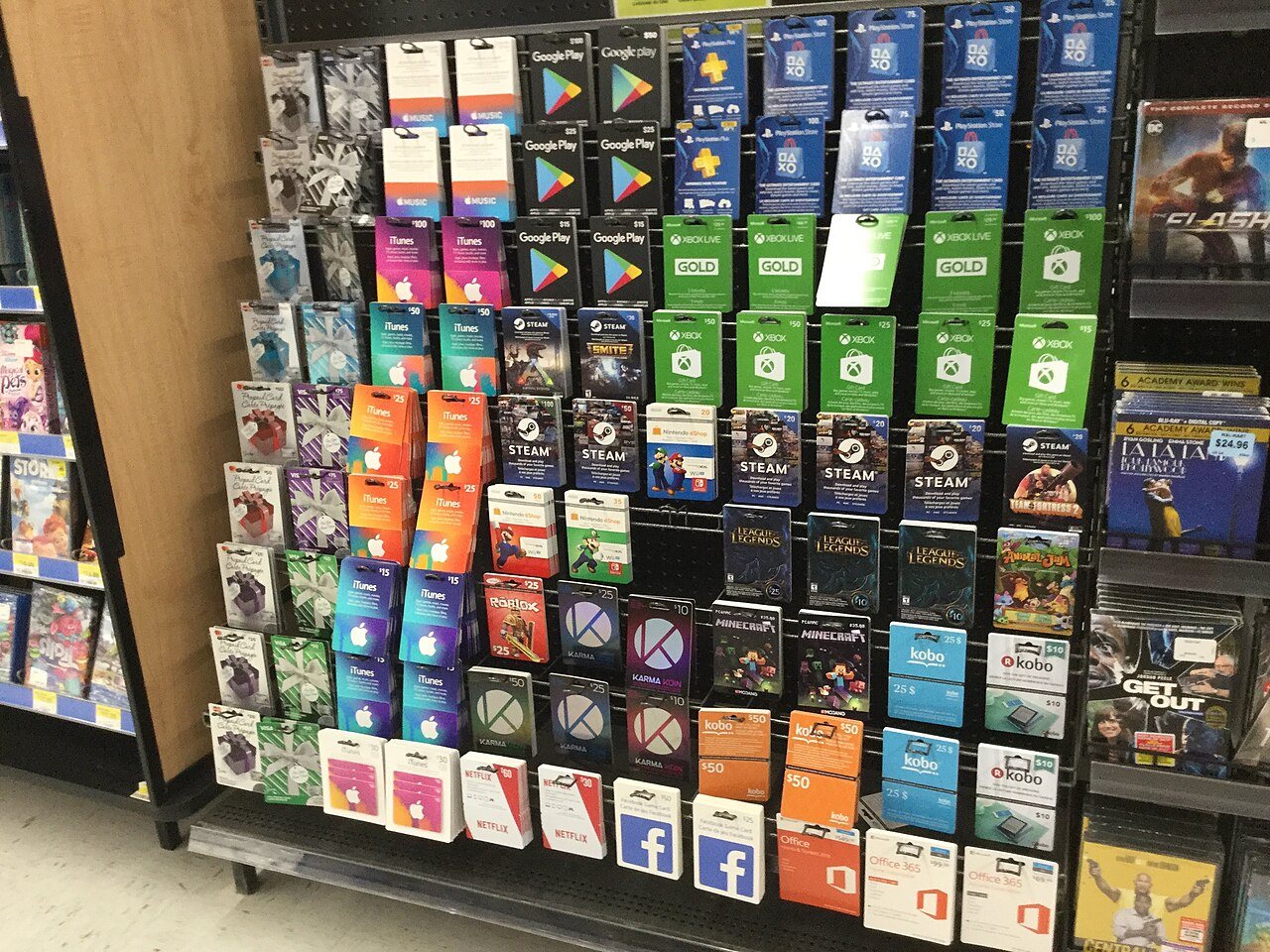
Investigators call it card draining. Thieves take cards off store racks, open them somewhere private, record the numbers and PINs (or swap the barcode), reseal the packaging and put them back on the hook. When a shopper buys one and loads money on it, the thief uses the stored number to spend the balance online.
ProPublica reported in April 2024 that the Department of Homeland Security had set up a task force, Project Red Hook, to go after it. The agent leading that team put the potential losses at "hundreds of millions of dollars, potentially billions." One man, according to that reporting, allegedly visited 14 Walmarts in Ohio in 24 hours with 2,260 gift cards in his car. An AARP survey cited in the same piece found that almost a quarter of Americans had given or received a card with no balance.
Some states have started pushing back. Maryland's Gift Card Scams Prevention Act, generally in effect since June 2025, requires tamper-resistant packaging for cards sold in person.
Your checklist before and after buying
None of this means you should stop buying gift cards. It does mean spending thirty extra seconds at the rack.
Buy from a store you trust, and skip online auction sites, where cards may be counterfeit or stolen. Take a card from behind the counter or the back of the rack if you can, and look it over: the packaging should be intact, no sticker should be peeled, and the PIN area shouldn't be scratched. If anything looks off, hand it to the cashier and pick another.
After you pay, keep the receipt and a note of the card number somewhere safe. Check the balance soon, and tell whoever gets the card not to sit on it for months. If it turns out to be empty, call the issuer straight away with the receipt in hand, then tell the store.
One more thing, and it matters more than the rest. No government agency, utility or tech support desk will ever ask you to pay with gift cards. If somebody on the phone is telling you to buy some and read out the numbers, that's a scam, and you should hang up.
Enjoyed this story?Get a new one every day on social.