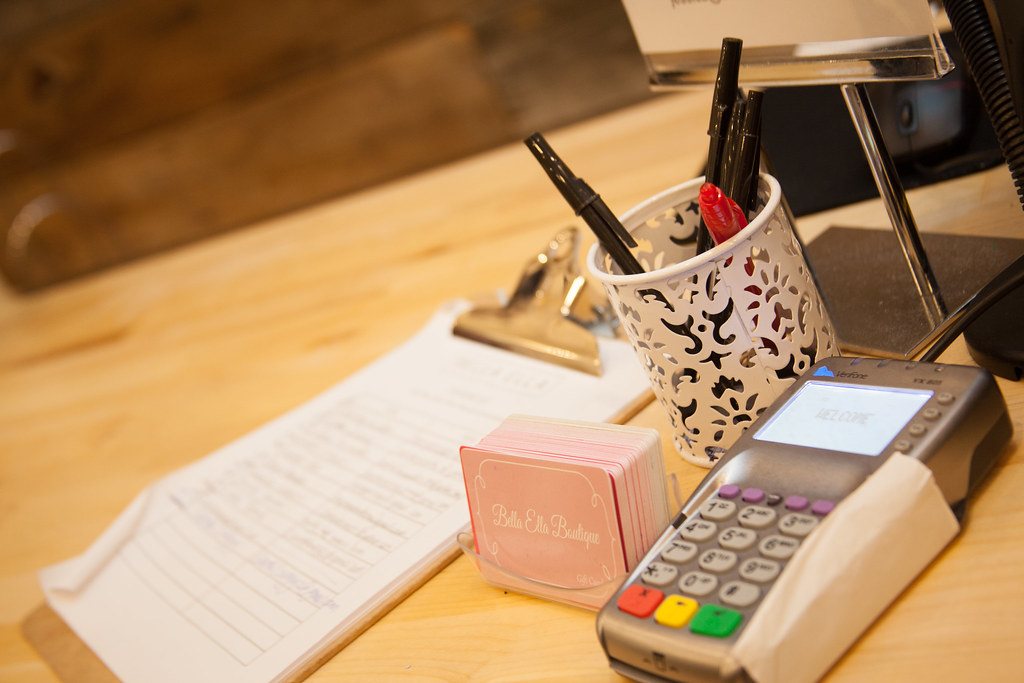
Photo: bellaellaboutique, CC BY-SA 2.0, via Flickr
At almost every online checkout this week, right under the total, there will be a little line offering to split it into four. Click it, answer a couple of questions, and a $200 order becomes four payments of $50, the first one today and the rest every two weeks. There's no interest on the standard plan and no card to apply for, and the whole thing takes about a minute.
That's buy now, pay later, usually shortened to BNPL. Affirm, Klarna, Afterpay and PayPal's Pay in 4 are the names most US shoppers will see, and they tend to get the most use around Black Friday and the holidays, when lots of purchases land at once.
Used carefully, it can be a fine way to spread a cost over six weeks. Used casually across several stores, it can turn into a small pile of debts you've lost track of. Below is how the thing works and where it tends to go wrong. (Usual note: this is general education, not advice for your situation.)
How a pay-in-four plan works
The standard plan splits the price into four equal installments. You pay the first at checkout, and the other three come out automatically every two weeks from a debit card, bank account or credit card you link.
Approval is quick because providers generally run only a soft credit check, or lean on their own data about you, rather than the hard inquiry you get with a credit card application. That's part of the appeal, and also part of the problem: it's very easy to get approved for several plans at once.
The provider pays the store up front and the store pays the provider a fee for the privilege. That fee is how most pay-in-four plans can be interest-free for you. Stores accept it because people tend to buy more, and bigger, when the price is cut into slices.
When it stops being free
The "free" part depends on everything going to plan. Some providers charge late fees if a payment fails, and the rules differ from company to company, so read the terms on the specific plan rather than assuming.
The bigger risk is the knock-on cost. If an automatic payment hits a checking account that's run low, you may pay an overdraft or returned payment fee to your bank on top of anything the provider charges. And if you link a credit card and don't clear the card in full, you're now paying credit card interest on a loan that was supposed to be interest-free.
Longer plans are a different product. For bigger purchases, some providers offer monthly payments over many months, and those can carry an interest rate. Sometimes that rate is zero as a promotion and sometimes it's in the range of a credit card. Check the APR on the screen before you agree, every time.
Your credit score and BNPL
For years, most pay-in-four loans didn't show up on credit reports at all. That's changing. Affirm has said it reports its loans to Experian, and FICO has released score versions that can take BNPL data into account. How much it matters depends on which lenders use which scores, which is still unsettled.
The practical rule is simple enough. Assume your BNPL history can be seen, and that a missed payment could end up hurting you. A loan that might be reported is worth taking as seriously as any other.
Returns and disputes are messier
This is the part people trip over in January. If you send something back, the store has to process the refund before the provider adjusts your plan, and until then you may still be expected to keep paying. Most providers let you report a return in their app to pause payments while it goes through, but don't stop paying on your own and hope.
Disputes are murkier too. US regulators went back and forth in 2024 and 2025 on whether BNPL loans should carry the same dispute protections as credit cards, and the stronger approach was dropped. So don't count on the chargeback rights you'd have with a card. If you're buying from a store you don't know well, a regular credit card paid off in full usually gives you more protection.
A safer way to use it this weekend
I don't think BNPL is a trap in itself, but I'd keep it to one or two planned purchases this weekend rather than reaching for it on every cart. Put each due date in your calendar the minute you check out, since the reminder emails are easy to miss in a holiday inbox.
Link a debit card or bank account you know will have the money, rather than a credit card you already carry a balance on. And add the installments to your holiday budget as what they are, which is debt, alongside anything else you owe in December and January.
Last, keep receipts and order numbers together until the final payment clears, especially for anything you might return. If something you want only feels affordable once it's been cut into four, that's worth a second look before you click.
Enjoyed this story?Get a new one every day on social.